
Our practice
Seven arts. One question comes first: what does this room need?
We work across seven art forms, and we never choose between them by taste. Before a single activity is designed we read the place. Who lives here, what they have lost, what they are ready to hear. The art form follows the answer.
How we choose
Picture a musician choosing a string for the song in front of them. We work the same way, across three.
Fear
Protective awareness. A story that makes a danger real enough to change a habit.
Emotion
Personal connection. A scene that puts a face on a statistic.
Pleasure
The life that peace makes possible. A glimpse of the ordinary good that returns when the fighting stops.
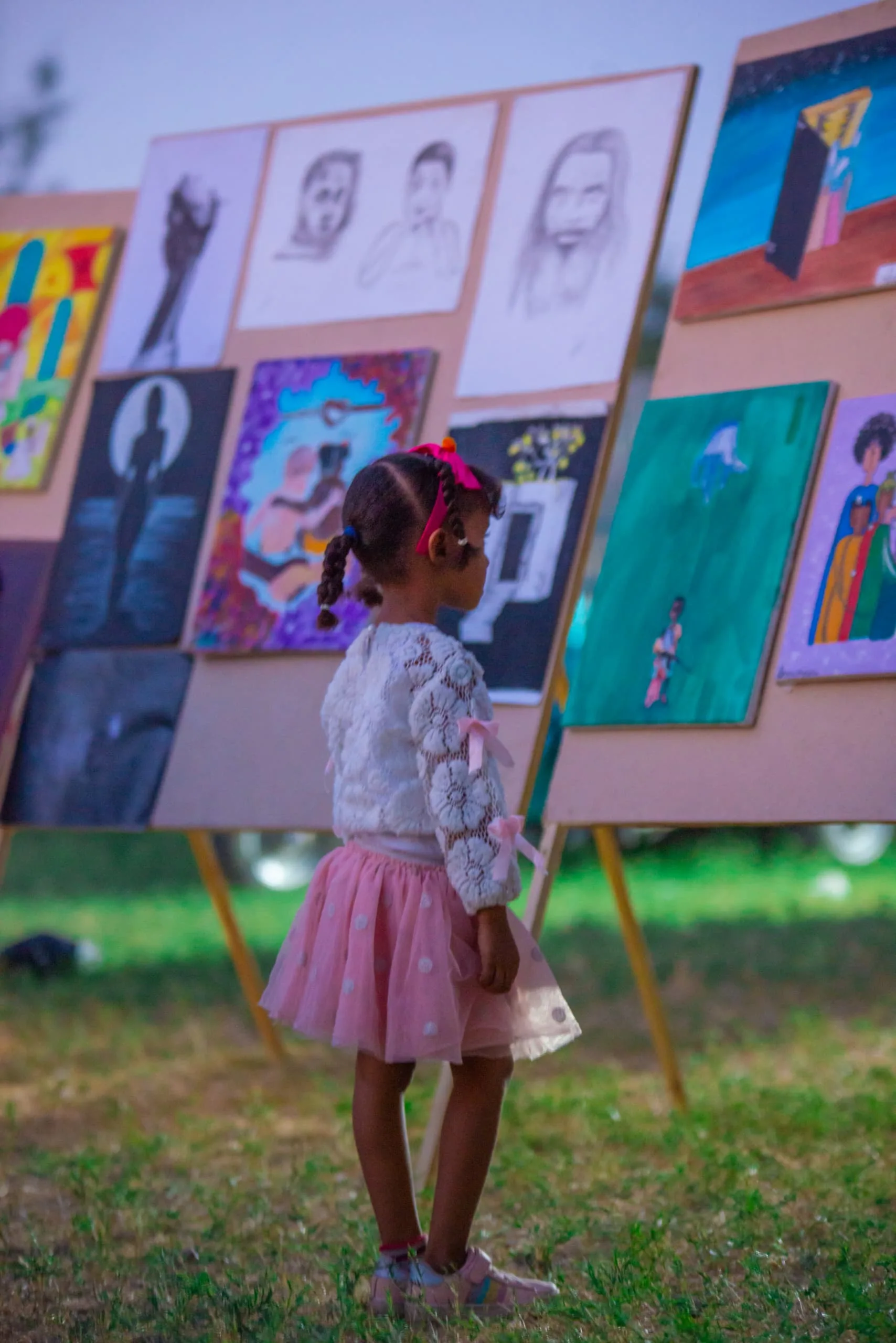
Then the place decides the form. A photography exhibition does nothing in a village with no power and no wall to hang it on. A mural painted side by side by a displaced family and a host family does more for trust than any mediation session. Context first, every time. That single discipline is what separates arts that change something from culture for its own sake.
Theatre
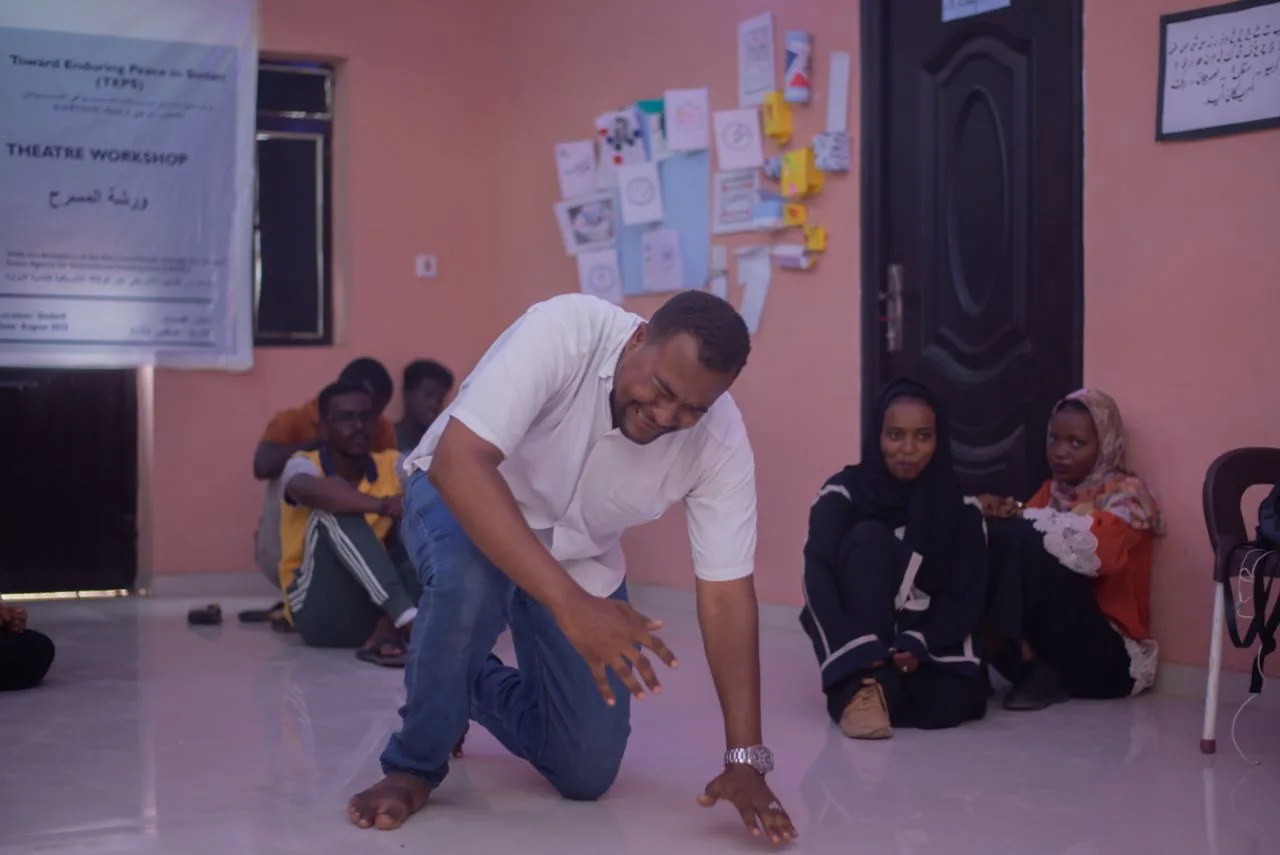
The art that reaches furthest. A short play lets a community name a problem without naming each other. The dispute at the water queue becomes a scene, not an accusation. At the 2022 Seven Arts Festival in Gadarif, theatre carried the peace and education message to an audience the discussion forum alone would never have reached.
Music and singing
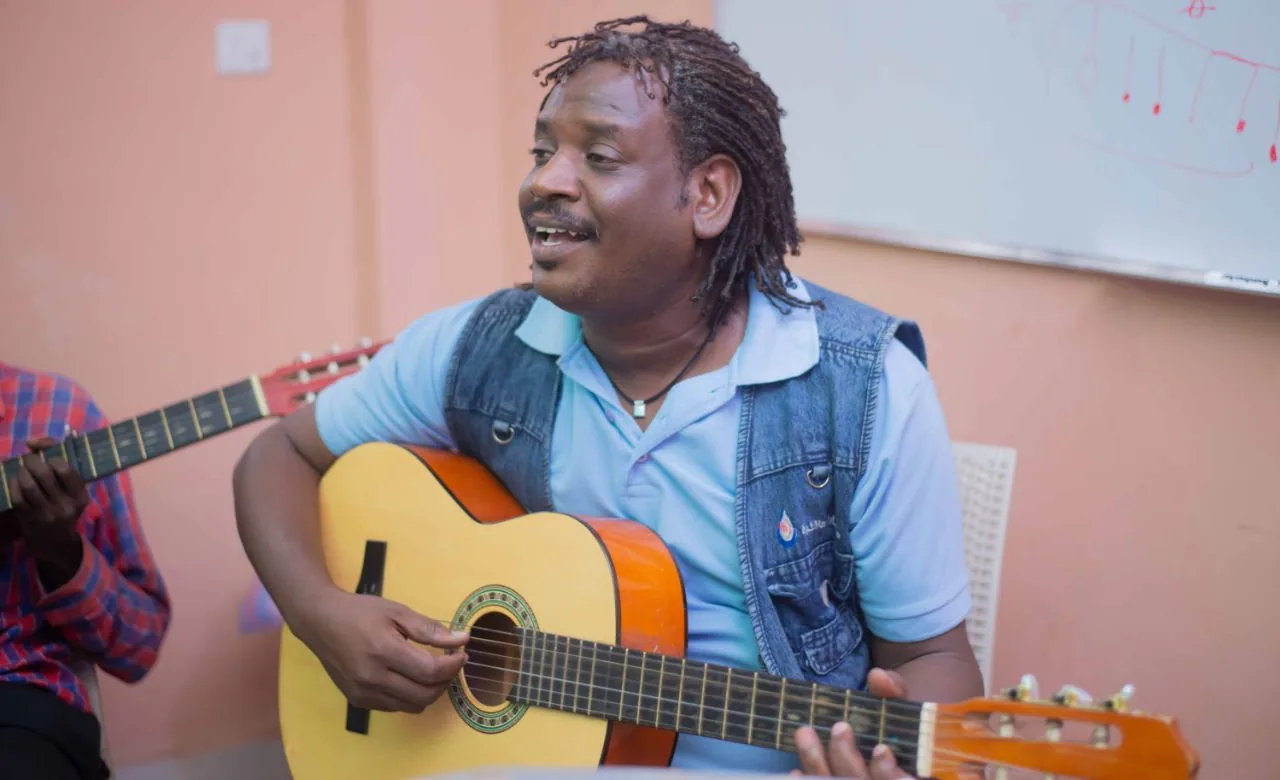
Music slips past the defences a speech would hit. The festival ran a full music workshop, and the Aswat Almadina troupe filled the Gadarif theatre for an evening concert, the hall packed and answering back. A song about a shared city does quiet work a lecture cannot.
Drawing and murals
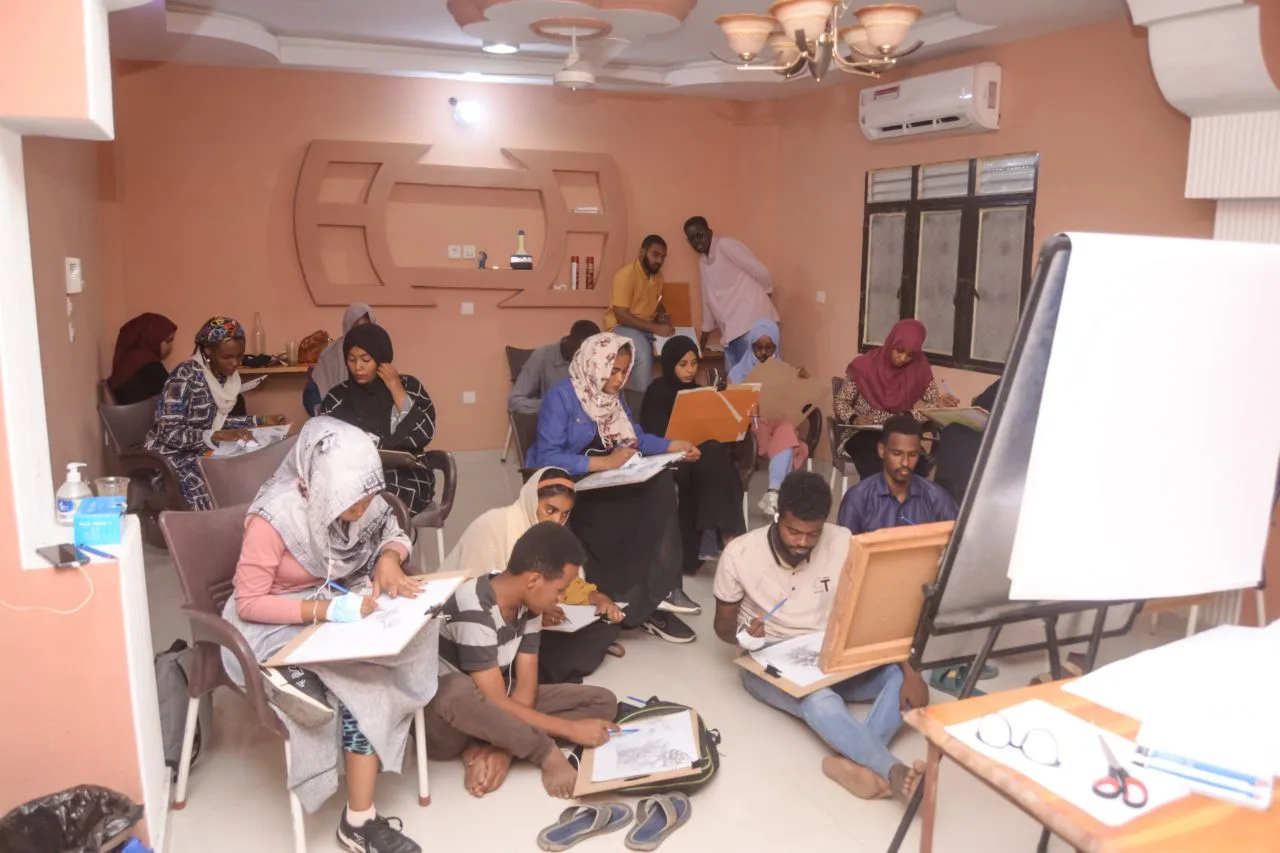
The most public of the seven. A blank wall becomes a statement the whole street reads. The festival ran drawing workshops and live painting in the open air, and the work stayed up long after the crowd had gone home.
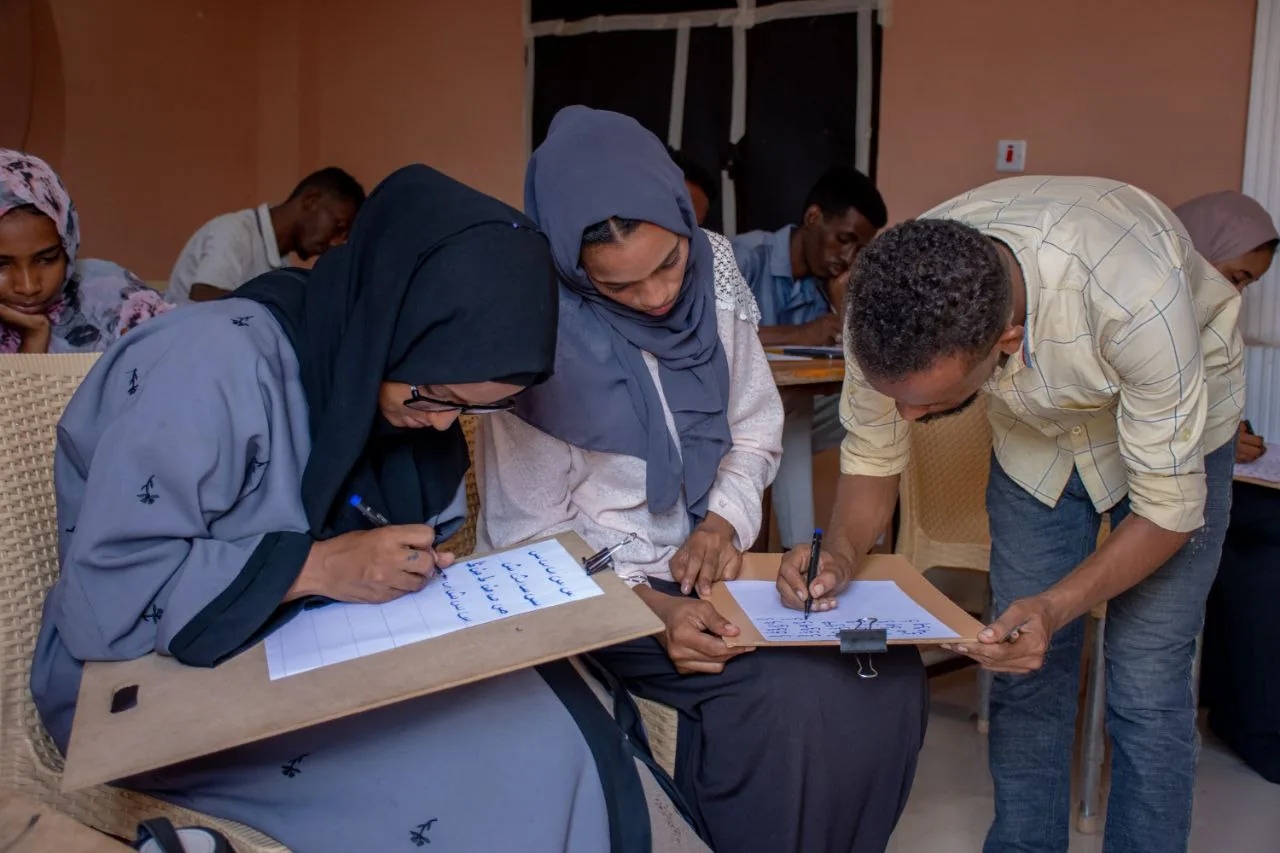
Arabic calligraphy
Beauty as belonging. Calligraphy carries identity and pride without a single argument. The festival's calligraphy workshop drew 37 participants, 21 women and 16 men, and the finished pieces hung in the closing exhibition.
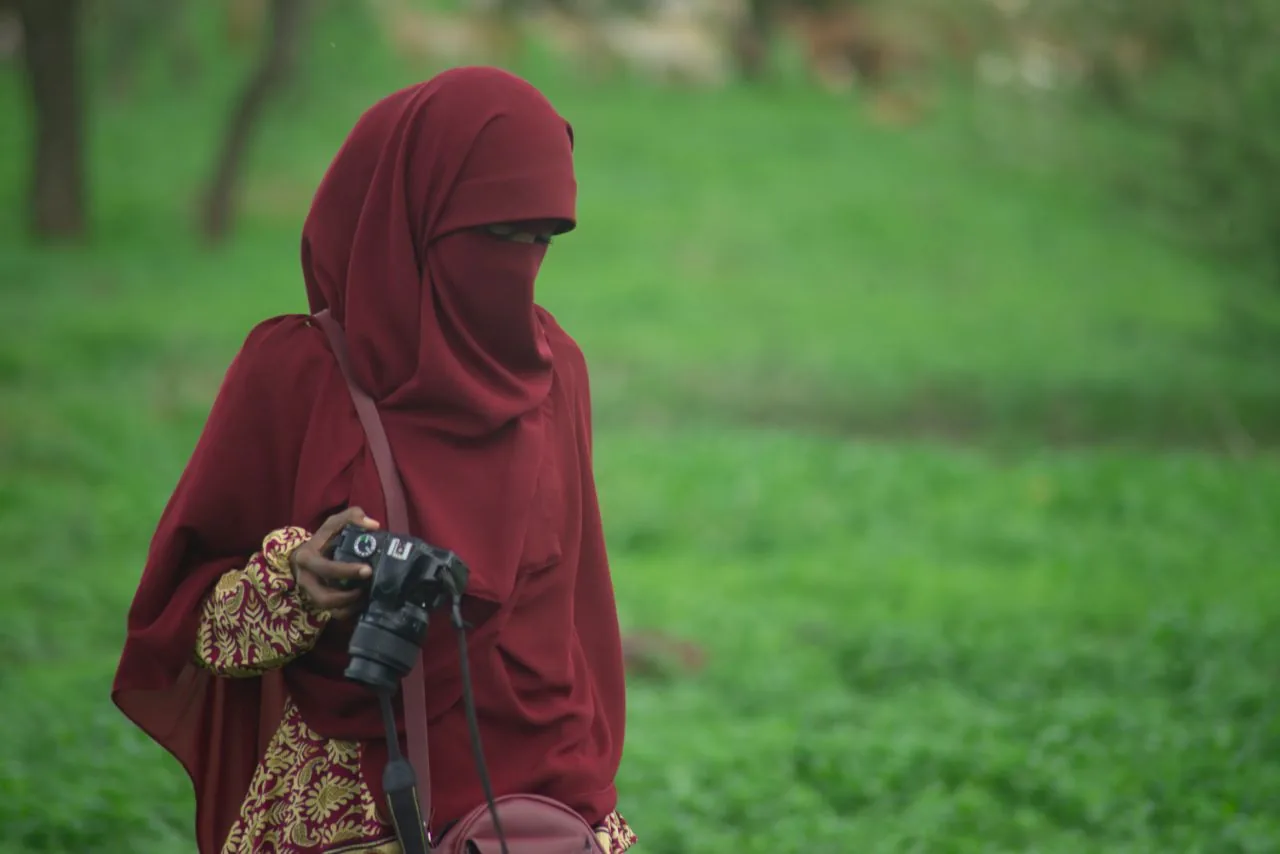
Photography
Teaching people to look again at the place they live. The festival's photography workshop put cameras in the hands of 18 participants and sent them out to frame their own city, before the work joined the exhibition. A photograph asks a quieter question than a slogan, and people answer it for themselves.
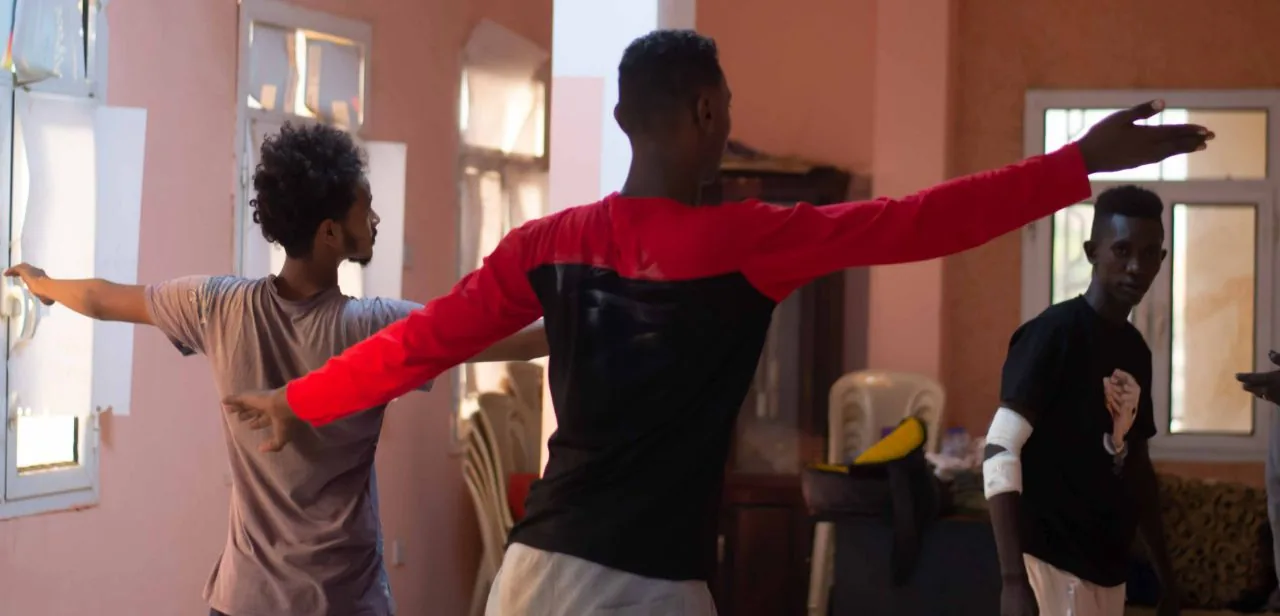
Expressive dance
Release, and a joy that needs no translation. At the festival’s first open-air exhibition in Gadarif, the first the state had seen, dance shared the ground with singing and live painting. It is the string of pleasure made visible.
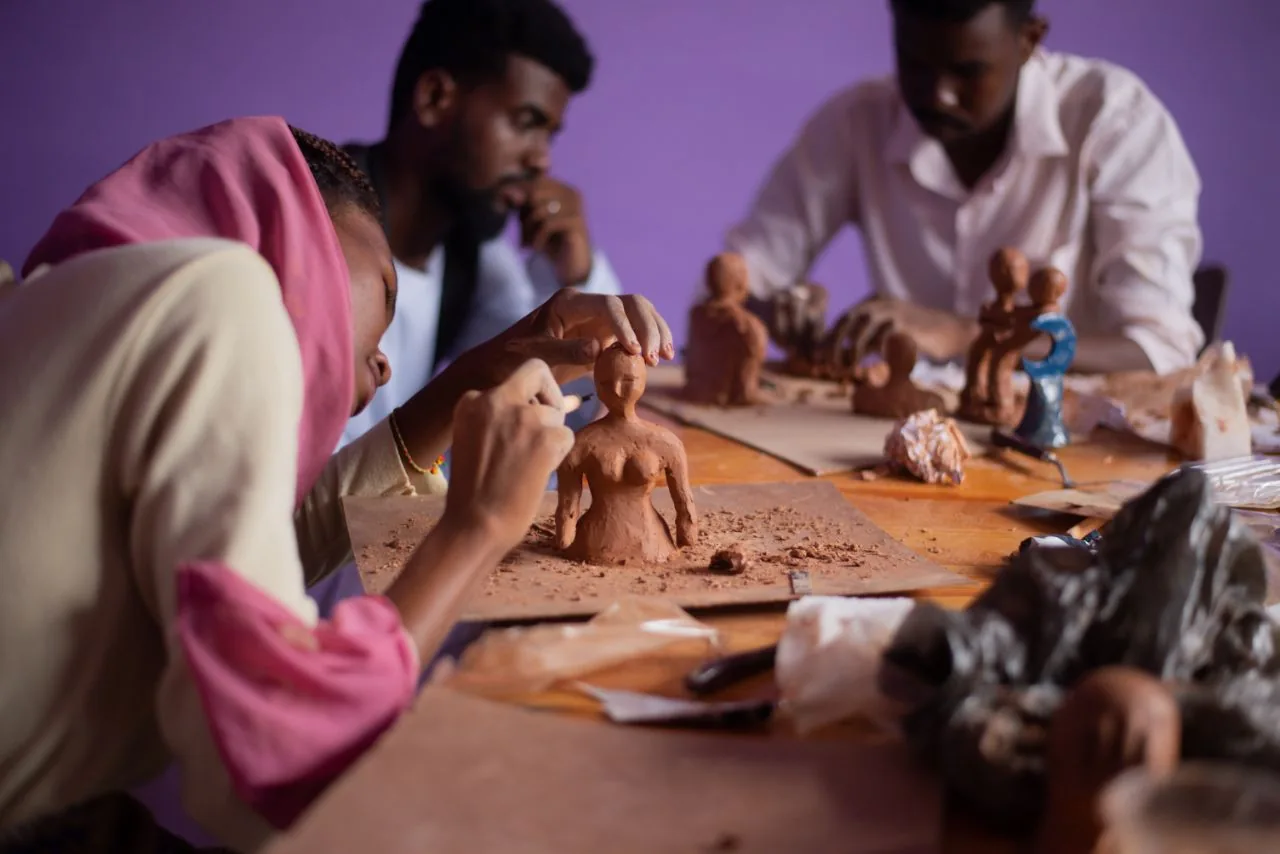
Sculpture
The most physical of the seven, and the newest in our hands. In the workshop, people who have only ever held a pen learn to pull a human figure out of a lump of wet clay, and something shifts the first time a face appears under their thumbs. It is the art that surprises our participants most.
Seven ways into the same work. We do not perform culture. We use it, carefully, to reach people that paperwork never will.